Bodycam Video
Almost all criminal and traffic stops have bodycam video.
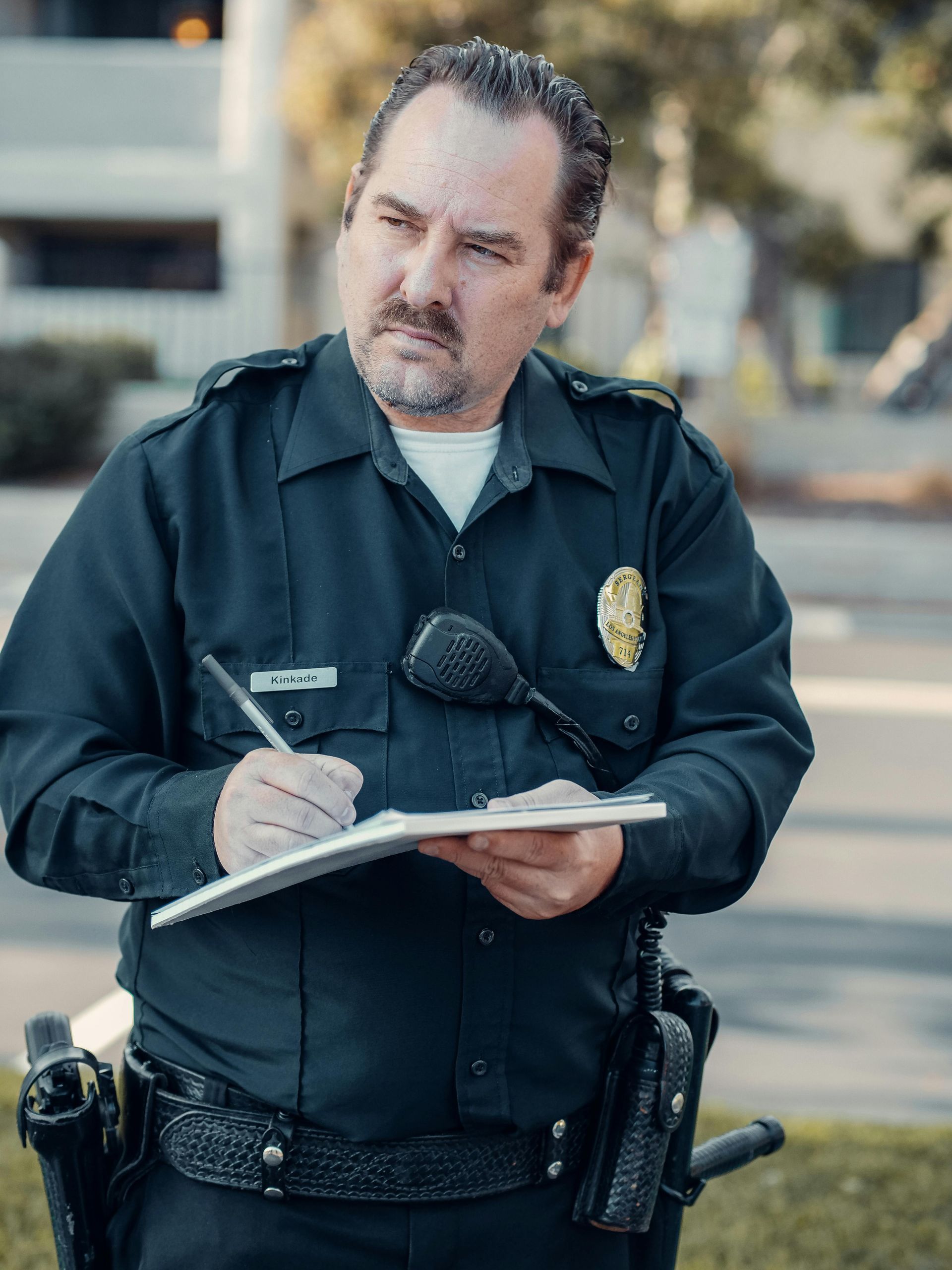
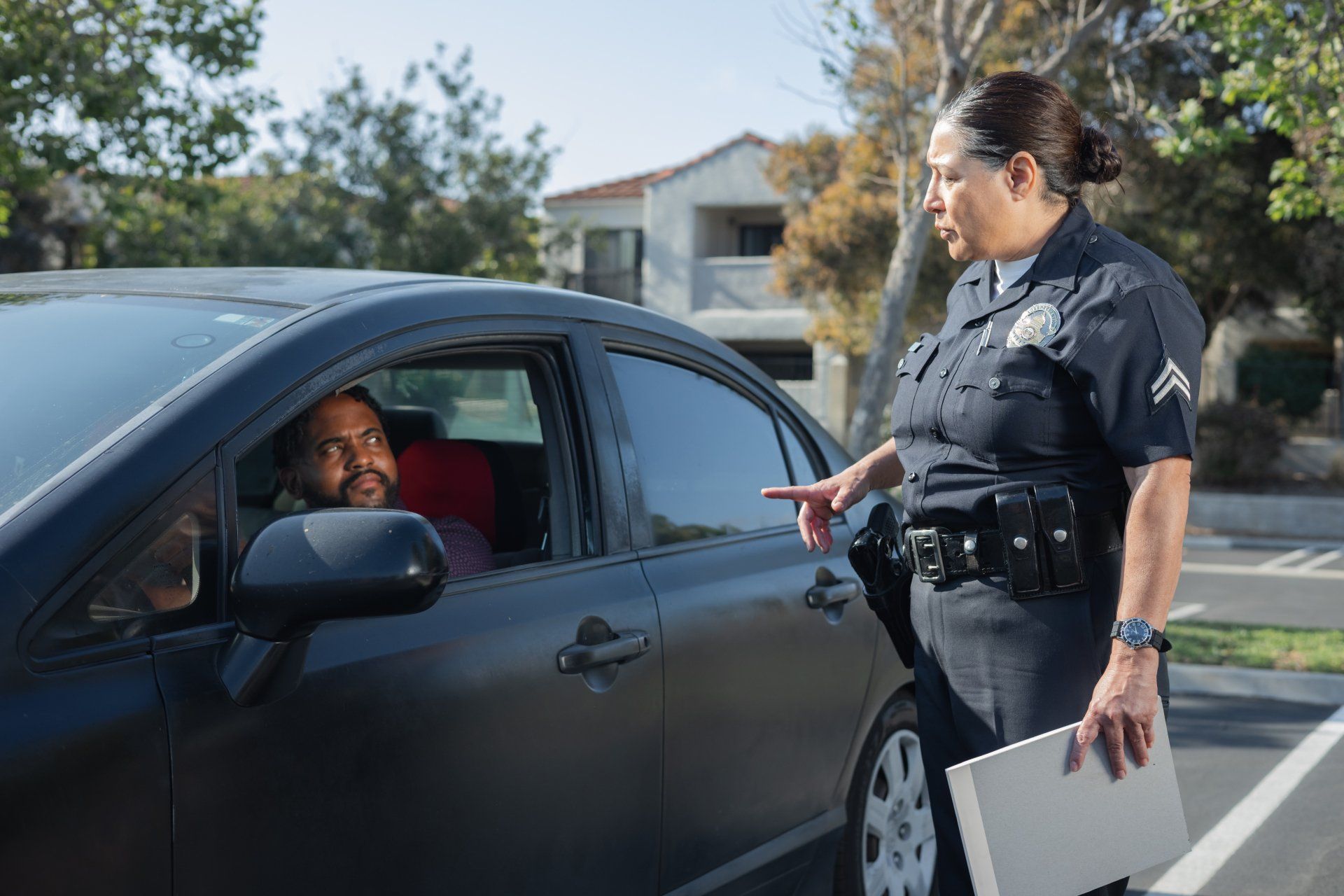
In almost every county, police are required to wear bodycam cameras. This means that in almost all criminal and traffic stops, each police officer will be wearing bodycam equipment and there will be video and audio of each stop.
This is true even for motor vehicle accidents where the police come to the scene. All conversations with the drivers and witnesses are recorded. If the other driver admits fault at the scene and later tells his insurance company something different, the bodycam video can be used to document what he said at the scene and to establish liability.
In most cases, multiple police officers report to the scene. Each officer is wearing his own bodycam camera. There will be many videos of the interactions with the police and often hours and hours of video. In fact, there will be multiple angles of the same conversations. This means that if the accused curses out the police officer, it will be on video. So, treat all police officers with respect. Remember, anything that you say to a police officer can and will be used against you. It will also be recorded with both video and audio.
In a DUI charge, all field sobriety tests will be on video. If you are stumbling and staggering, it will be recorded. On the other hand, if you are walking without issue and your words are not slurred while speaking to the police, this can be used in your defense. There will be video of all interactions after your arrest and at the police station.
Bodycam video also keeps the police officers honest. They know all interactions are recorded and they usually make sure that their reports are consistent with the bodycam video. If there is a discrepancy, you can use the video to impeach the police officer.
Police vehicles also have cameras. Thus, you can see the police officer following you to pull you over. If you are swerving in and out of lanes, this will show up on camera. However, you can also use the video demonstrate that you driving in a safe manner.
Bodycam video will be produced by the State's Attorney's office in criminal and serious traffic cases. It is sent to lawyers with a secure link. Your attorney can then share the video with you using Google Drive or Dropbox. Bodycam video can also be subpoenaed to court in civil cases.